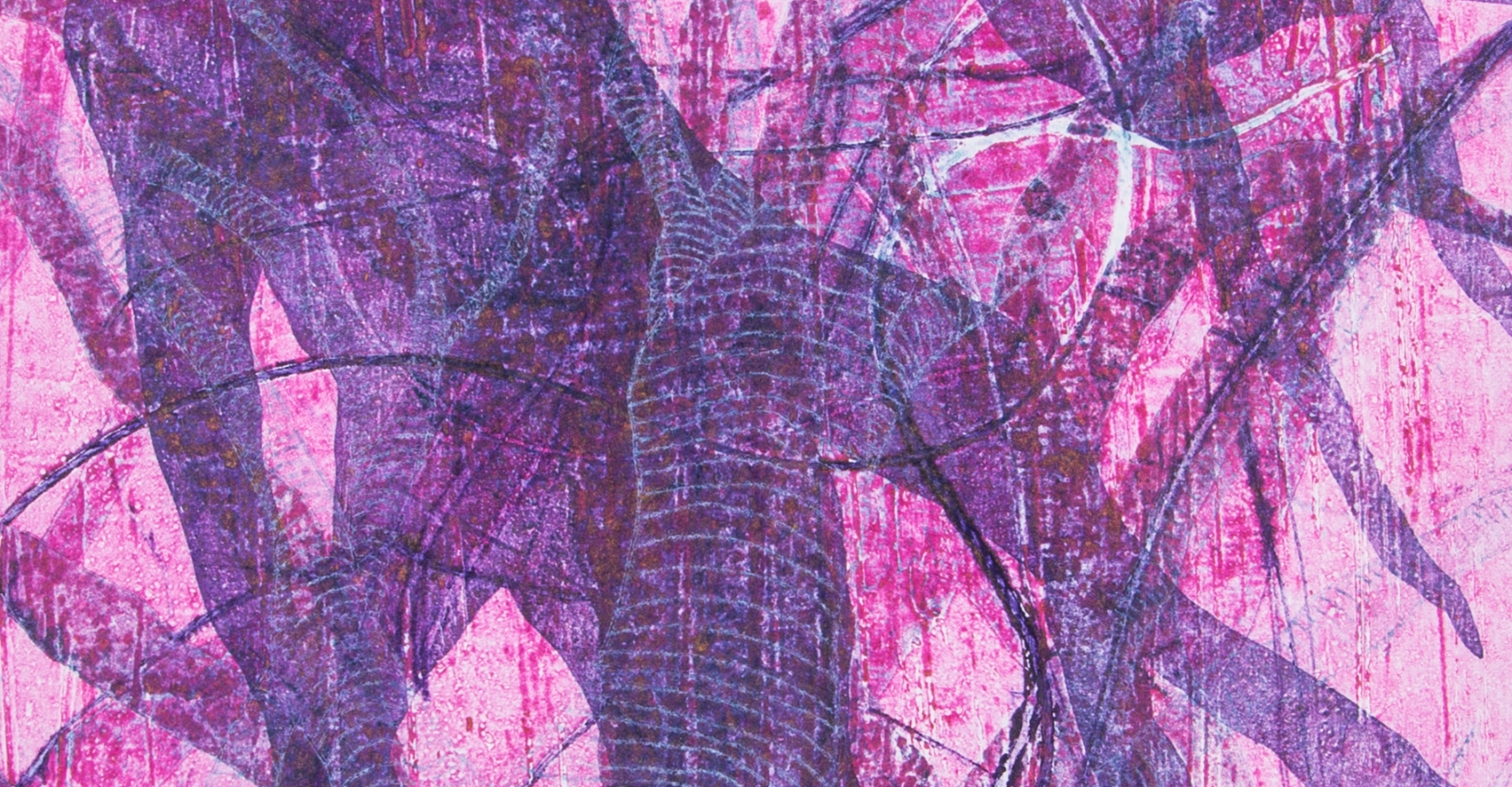
I like to translate my appreciation for gardening into my artwork. Many similarities between weeding and printmaking put my mind to ease when performing either task. Just like creating a matrix, carving a woodblock, inking your plates, or cleaning up every last bit of pigment from your workplace you must toil deep beneath the soil to remove every last bit of a weeds intermingling root system. The result is also much the same as you lift your paper from your surface and discover its real beauty. As you look over your cared for garden, sipping your dandelion tea, and eating the nutritious leaves you can also recognize the inner beauty of the Taraxacum.
Once removed from the earth the dandelion can serve many purposes. The Dutch found the weed to be considered a holy plant and after the Europeans brought it to the Americas for its attractive appearance and use for wine making, the Native Americans soon discovered its medicinal properties. The sharply shaped leaves are high in vitamins A and C, iron, and calcium and can serve as a healthy addition to your salads. The dried and ground root can be used as a powerful antioxidant and benefits many medicinal aids from liver function to the slowing of cancer growth. The flower can even be used as a token of gratitude towards a loved one.
The prints in this series are of a very common weed that we all know, the Taraxacum, or the dandelion. Many attempt to eradicate it from their lawns and gardens because not only is it invasive it guzzles up the surrounding groundwater and nutrients needed for growing other plants. To successfully remove the weed, you must dig deep, beneath the leaves, and pull its taproot that runs deep into the earth. This, in turn, diminishes the relaxing and meditative task of taking care of your leafy loved ones. This is a crucial deed to have a successful plot though it doesn’t have end with the death of the dandelion.
My whole life I have grown up around plants. My mother always brought fresh vegetables from the gardens during the seasons working diligently from morning to night providing our family with wholesome meals, though the work wasn’t always as gratifying as sitting down at the dinner table and enjoying the fruits of the labor. I learned this myself as I watched her weed and keep the gardens contained from those unwanted visitors. I discovered this myself these past few years as I attempted to carry on the tradition of gardening. The constant battle against the noxious invasive florae taught me the struggle is real.
Tubules
15" x 19"
2016
Collagraph, Pochoir, Drypoint, Monotype
Unearthed
19" x 26"
2016
Collagraph, Pochoir, Colored Pencil, Monotype
Adumbration
15" x 19"
2016
Collagraph, Pochoir, Monotype
Roots Run Deep
19" x 26"
2016
Collagraph, Pochoir, Colored Pencil, Monotype
Rummage
15" x 19"
2016
Collagraph, Pochoir, Colored Pencil, Monotype
Intermingle
19" x 26"
2016
Collagraph, Pochoir, Colored Pencil, Monotype
Burrow
15" x 19"
2016
Collagraph, Pochoir, Colored Pencil, Monotype
A Holy Root
19" x 26"
2016
A Holy Root
19" x 26"
Collagraph, Pochoir, Colored Pencil, Monotype
Beneath The Leaves
15" x 19"
2016
Collagraph, Pochoir, Colored Pencil, Monotype
Curative
15" x 19"
2016
Collagraph, Pochoir, Colored Pencil, Monotype
Unsystematic
15" x 19"
2016
Collagraph, Pochoir, Drypoint, Monotype
Hidden Indignation
19" x 26"
2016
Collagraph, Pochoir, Colored Pencil, Monotype
Tubular
15" x 19"
2016
Collagraph, Pochoir, Drypoint, Monotype
Dent de Lion
13" x 16"
2016
Collagraph, Pochoir, Colored Pencil, Monotype
Leontodon
13" x 16"
2016
Collagraph, Pochoir, Colored Pencil, Monotype
Lion's Tooth
13" x 16"
2016
Collagraph, Pochoir, Colored Pencil, Monotype
Taraxacum
13" x 16"
2016
Collagraph, Pochoir, Colored Pencil, Monotype